

Protect sensitive information and prevent identity theft with professional paper shredding services and secure document disposal for homes and businesses.
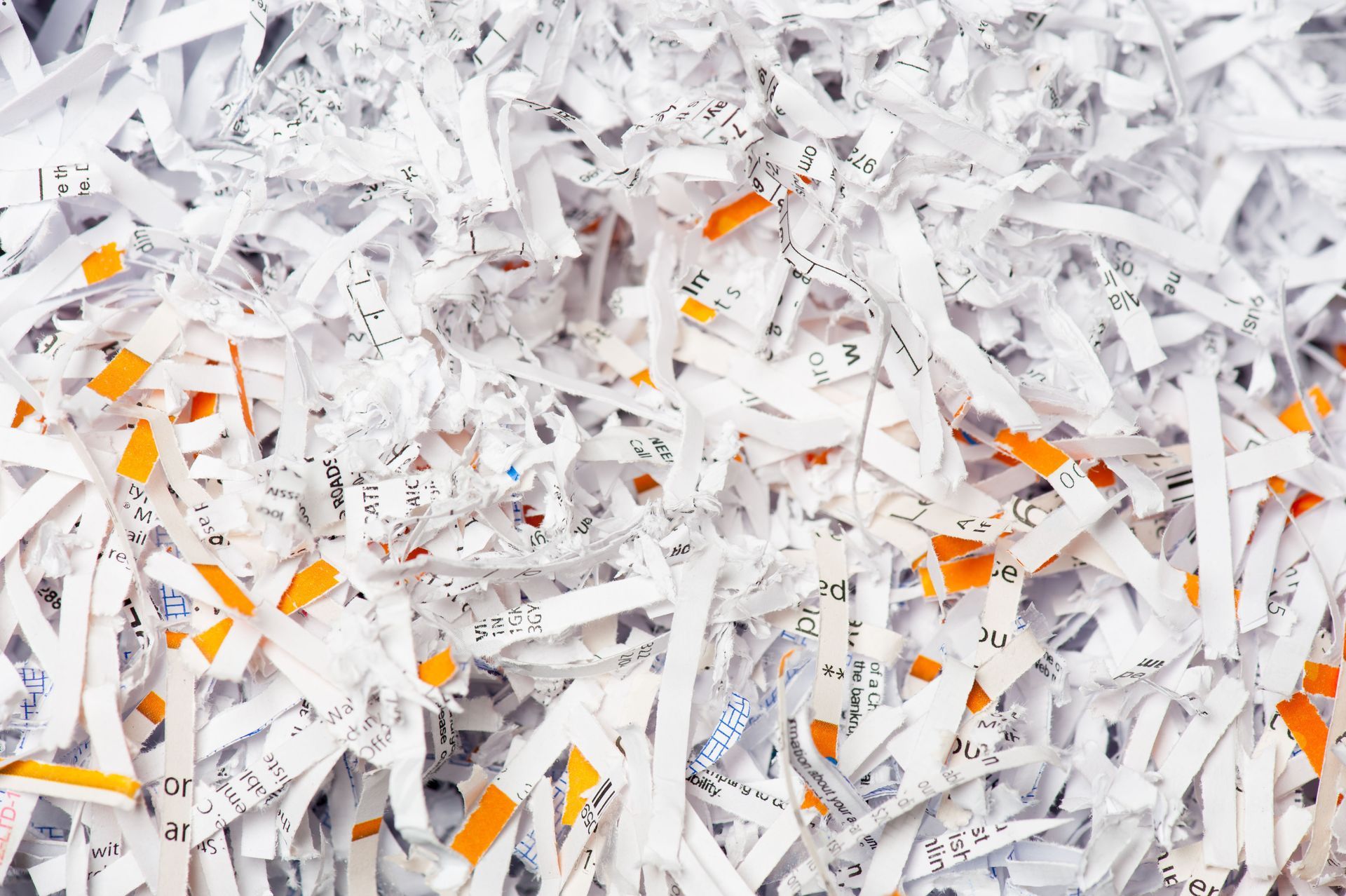
Learn how paper shredding companies help businesses protect sensitive records, reduce clutter, improve efficiency, and recycle paper responsibly.
Managing bank documents is an important part of preparing for tax season, protecting sensitive financial information, and maintaining accurate records. Without an organized system, individuals and businesses may struggle to locate important statements, verify transactions, or determine when outdated paperwork can be discarded. At Premier Document Shredding, we understand the importance of protecting confidential information throughout the document management process. From establishing retention schedules to arranging secure document shredding, taking the right precautions can help reduce unnecessary paperwork while keeping sensitive information protected. Understand Bank Document Retention Requirements Follow IRS Record Retention Guidelines Different financial documents have different retention requirements. Understanding these timelines helps prevent the accidental destruction of records that may be necessary for tax filings, audits, or financial disputes. According to the IRS, you should keep records for seven years if you file a claim for a loss from worthless securities or a bad debt deduction. Other records may have shorter or longer retention periods depending on their purpose. Consulting a qualified tax professional can help determine which requirements apply to your financial situation. Identify Essential Banking Documents Bank statements, canceled checks, deposit records, loan agreements, and investment statements can provide valuable information during tax preparation. These documents may help substantiate income, expenses, deductions, and other financial transactions. Some records also serve purposes beyond taxes. Mortgage agreements, property-related documents, and financial contracts may need to remain accessible throughout the life of an account or transaction. Identifying important documents early makes organizing records easier and reduces the likelihood of disposing of something prematurely. Recognize Risks of Poor Record Management Disorganized financial records can create unnecessary complications during tax season. Missing statements may delay filing, while incomplete transaction histories can make verifying financial information more difficult. Poor document management also creates security concerns. Financial paperwork frequently contains account numbers, addresses, signatures, and other confidential details. Establishing consistent retention and disposal procedures helps minimize these risks while improving access to important information. Establish an Organized Financial Filing System Separate Documents Into Clear Categories A practical filing system begins with separating financial records according to their purpose. Common categories include banking statements, income records, tax documents, investment information, and loan agreements. Organizing these materials by year can make locating specific transactions more convenient. Businesses may benefit from additional categories for payroll, operating expenses, vendor payments, and customer records. A structured filing system also makes it easier to identify documents that may eventually qualify for secure document shredding. Maintain Consistent Filing Schedules Financial records can accumulate quickly, particularly for businesses handling frequent transactions. Establishing a regular filing schedule prevents paperwork from becoming difficult to manage. Monthly or quarterly reviews can help identify missing records, outdated documents, and materials requiring additional attention. These reviews also create opportunities to confirm that sensitive documents remain properly protected. When retention periods expire, professional disposal services can help prevent unnecessary accumulation. Consider Digital Record Management Digital filing systems can reduce physical storage requirements and make financial documents easier to retrieve. Electronic records may also simplify communication with accountants and financial advisors. However, digital storage requires appropriate security precautions. Access restrictions, encryption, and reliable backup procedures help protect confidential information. Organizations should also verify whether electronic copies satisfy applicable recordkeeping requirements before disposing of original documents. Protect Sensitive Banking Information Secure Physical Financial Records Paper financial documents should remain in protected storage areas where unauthorized individuals cannot access them. Locked filing cabinets and restricted storage rooms can help reduce exposure. Businesses handling customer or employee financial information should establish clear procedures governing who may retrieve confidential records. Physical security becomes especially important when documents contain Social Security numbers, banking details, or personally identifiable information. Strengthen Digital Information Security Electronic financial records require safeguards against unauthorized access and accidental disclosure. Strong authentication, encryption, and appropriate user permissions can help protect stored information. Organizations should periodically review access privileges to ensure employees only have access to documents necessary for their responsibilities. Although digital safeguards protect electronic files, secure document shredding remains important for physical copies containing confidential financial information. Establish Confidential Disposal Procedures Discarding financial paperwork in ordinary trash containers can expose sensitive information. Even documents that appear outdated may contain details that could be misused. A professional shredding provider helps businesses and individuals dispose of confidential paperwork without relying on standard waste collection. At Premier Document Shredding, we encourage customers to consider professional document destruction as part of their broader information protection strategy. Prepare Financial Documents for Tax Season Gather Relevant Financial Statements Tax preparation generally involves collecting records that support reported income, deductions, and financial transactions. Bank statements, investment summaries, business expense records, and other relevant documents should be accessible before filing begins. Maintaining organized financial records throughout the year can reduce the time spent locating information when tax deadlines approach. Review Records for Accuracy Financial documents should be reviewed for missing information, duplicate transactions, and inconsistencies before they are provided to tax professionals. Businesses may need to reconcile bank statements with accounting records to confirm that financial activity has been properly documented. Accurate records help accountants evaluate financial information and identify discrepancies that may require additional investigation. Coordinate With Tax Professionals Accountants and tax advisors can provide guidance regarding documentation requirements, retention periods, and records needed to support particular deductions. Before scheduling secure document shredding, individuals and businesses should confirm that the selected paperwork is no longer subject to applicable retention obligations. Professional guidance is especially valuable when records involve investments, property transactions, outstanding disputes, or complex business activities. Arrange Professional Document Destruction Determine When Records Can Be Destroyed Document destruction should occur only after the applicable retention period has expired and the records are no longer needed. Certain financial records may require extended storage because of ongoing transactions, audits, litigation, or regulatory obligations. Reviewing these considerations before arranging secure document shredding helps protect essential information from premature destruction. Choose Professional Shredding Services Professional shredding services provide a practical solution for disposing of confidential financial paperwork. They are particularly useful for businesses managing substantial quantities of banking records, invoices, and other sensitive materials. Rather than attempting to destroy large amounts of paperwork independently, customers can rely on experienced professionals who specialize in document destruction. Choosing secure document shredding can also help organizations establish more consistent disposal practices while reducing the burden of managing accumulated records. Support Responsible Paper Disposal Document destruction can also support environmentally responsible waste management when shredded materials are directed into appropriate recycling channels. Businesses seeking to reduce unnecessary paper storage may benefit from establishing recurring disposal schedules. Professional secure document shredding provides an opportunity to address confidentiality concerns while supporting responsible handling of unwanted paperwork. Maintain Long-Term Document Management Practices Review Retention Policies Regularly Document retention requirements and business needs may change over time. Periodically reviewing existing policies helps ensure financial records are maintained appropriately. Organizations should consider consulting legal, accounting, or compliance professionals when updating procedures involving sensitive financial information. Regular evaluations can also reveal opportunities to improve storage efficiency and strengthen document security. Schedule Ongoing Document Disposal Waiting until storage areas become overcrowded can make document management unnecessarily complicated. Establishing a recurring professional disposal schedule helps prevent outdated paperwork from accumulating while supporting consistent confidentiality practices. Businesses that regularly generate sensitive financial records may find that scheduled secure document shredding simplifies their long-term information management responsibilities. Partner With Premier Document Shredding Effective financial document management requires careful organization, appropriate retention practices, and dependable disposal procedures. Each stage plays a role in protecting confidential information and maintaining accessible financial records. At Premier Document Shredding, we recognize that financial paperwork deserves careful handling, even after it is no longer needed. Our professional shredding services help customers address confidential document disposal without taking unnecessary risks. Whether you are preparing for tax season, clearing outdated financial files, or establishing a recurring disposal schedule, our team is here to help. Contact Premier Document Shredding today to learn more about our professional document destruction services and how we can support your information security needs.