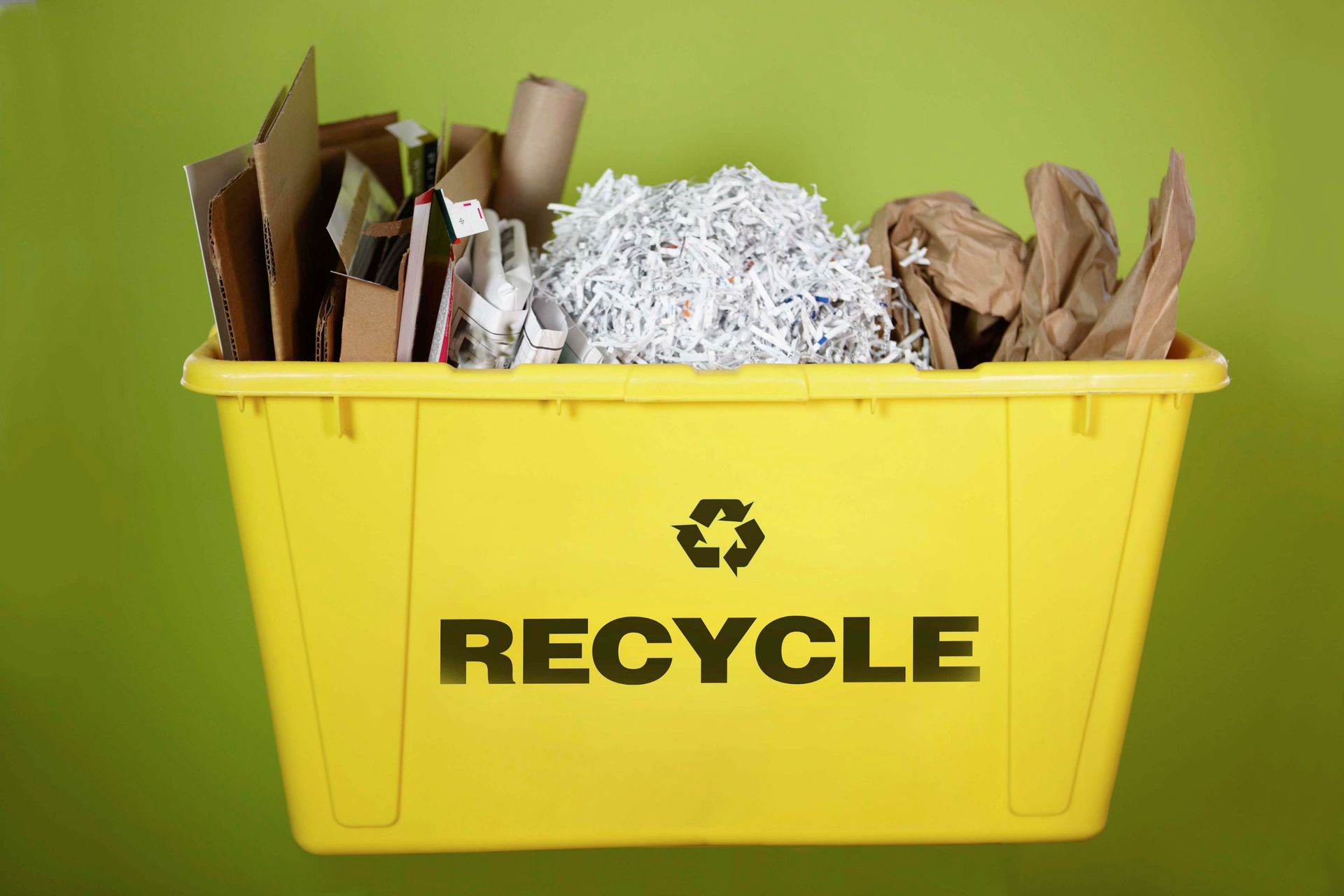
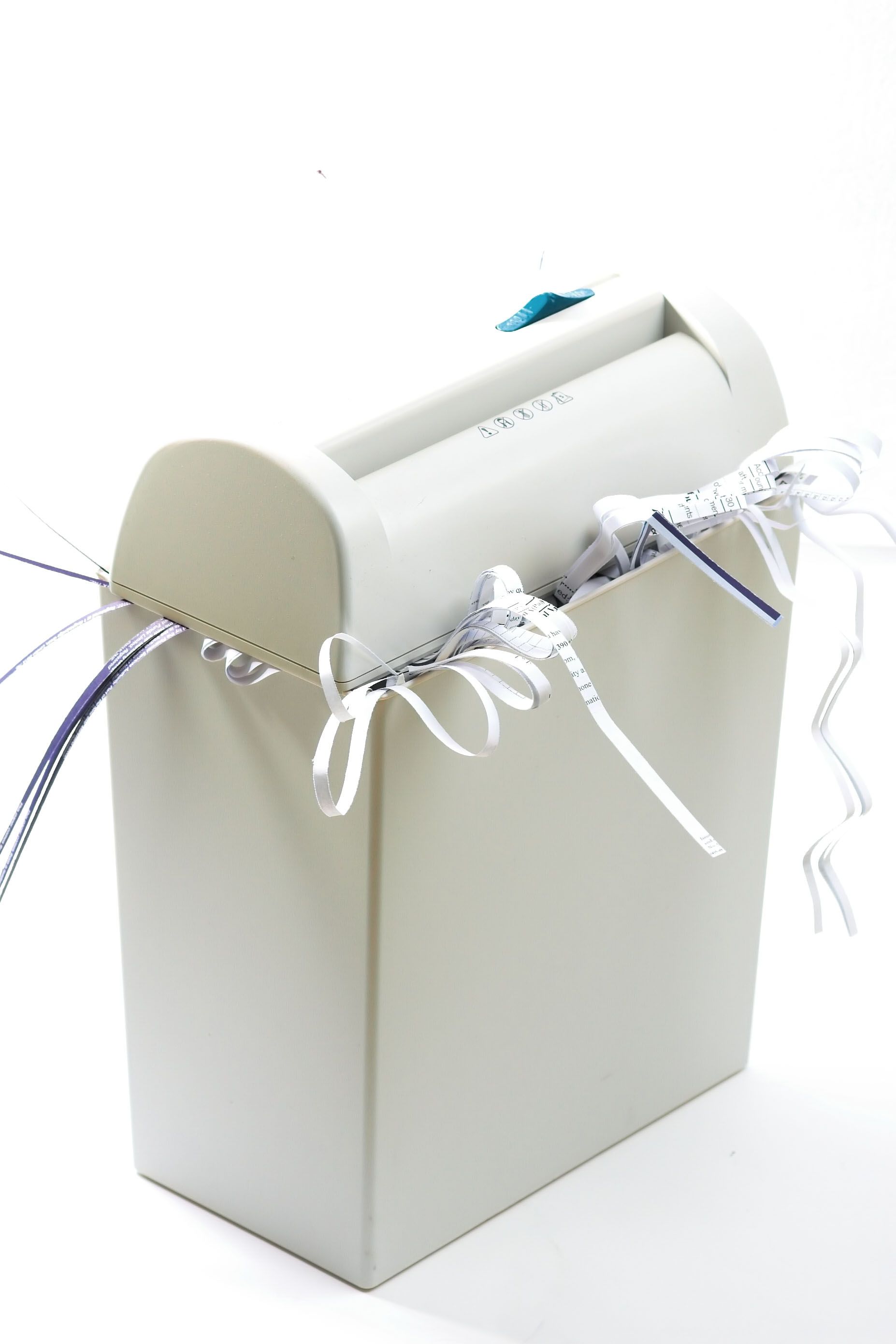
Protecting confidential information is a responsibility every business must take seriously. From customer records and financial statements to employee files, organizations handle sensitive documents that require careful management. When these records are no longer needed, improper disposal can expose businesses to security threats, financial losses, and legal consequences. At Premier Document Shredding, we understand the importance of protecting sensitive information. Our secure document shredding services help businesses dispose of confidential materials responsibly while reducing risks associated with unauthorized access. As privacy concerns and data protection requirements evolve, professional document destruction has become an important part of business operations. Understanding the Growing Demand for Document Shredding Businesses across numerous industries are recognizing the importance of professional document destruction. Increasing awareness of identity theft, information security threats, and regulatory responsibilities has encouraged organizations to reconsider how they dispose of sensitive paperwork. According to Verified Market Research, the document shredding industry is expected to grow at a compound annual growth rate of 6.08% between 2026 and 2032. This projection highlights the expanding market for professional document destruction as businesses seek reliable solutions for managing confidential information. Companies that handle customer information, medical records, financial documents, and proprietary business materials have strong reasons to prioritize secure disposal. Even outdated documents may contain information that could be misused if discarded improperly. By investing in secure document shredding services, businesses can establish dependable disposal procedures while demonstrating their commitment to protecting confidential information. Exploring the Different Types of Professional Shredding Professional document destruction is not a one-size-fits-all solution. Organizations generate varying amounts of confidential paperwork and have unique requirements regarding collection, transportation, and destruction. Choosing On-Site Document Shredding On-site shredding involves bringing specialized shredding equipment directly to a business location. Documents are destroyed at the premises, allowing organizations to observe the process when the service arrangement permits. This approach can appeal to businesses handling highly confidential records or those that prefer immediate destruction without transporting intact documents elsewhere. Professional equipment also accommodates larger quantities of paperwork than typical office shredders, helping organizations manage disposal efficiently. Choosing Off-Site Document Shredding Off-site shredding involves collecting confidential documents and transporting them to a designated facility for destruction. This option accommodates businesses that generate substantial amounts of paperwork or require regularly scheduled disposal. A reputable provider follows established handling and transportation procedures designed to protect documents throughout the process. Both approaches offer advantages, and the appropriate choice depends on an organization's document volume, security expectations, and operational requirements. Protecting Confidential Information From Security Threats Improper document disposal creates opportunities for sensitive information to fall into the wrong hands. Discarded paperwork may contain customer addresses, account details, employee identification information, or confidential business records. When documents are placed in ordinary trash containers without being destroyed, unauthorized individuals may retrieve and misuse that information. Reducing the Risk of Identity Theft Identity theft can occur when criminals obtain personal information and use it for fraudulent activities. Businesses frequently maintain records containing information that could expose customers or employees to these risks. Professional secure document shredding services help reduce the likelihood of confidential information being recovered from discarded paperwork. Industrial shredding equipment breaks documents into small pieces, making reconstruction substantially more difficult than simply tearing papers or placing them in recycling containers. Reducing the Risk of Business Information Exposure Organizations possess proprietary information that must remain confidential. Contracts, pricing structures, strategic plans, and internal correspondence may contain details that competitors or unauthorized individuals could exploit. Improper disposal can expose these materials long after they have served their original purpose. At Premier Document Shredding, we recognize that protecting business information is as important as safeguarding personal records. Professional destruction provides a safeguard against unnecessary information exposure. Supporting Compliance With Data Protection Requirements Many businesses must follow laws, regulations, and industry standards governing the handling and disposal of sensitive information. These requirements vary depending on the organization's location, industry, and the types of records involved. Healthcare providers, financial institutions, and legal offices often face demanding confidentiality obligations. Addressing Healthcare Privacy Responsibilities Healthcare organizations handle patient records containing medical histories, treatment details, insurance information, and other protected information. The Health Insurance Portability and Accountability Act (HIPAA) establishes requirements for protecting certain health information, including appropriate safeguards during disposal. Professional shredding can support these responsibilities by making discarded paper records unreadable and helping prevent unauthorized disclosure. However, shredding alone does not guarantee regulatory compliance. Healthcare organizations must maintain appropriate retention schedules, policies, and administrative safeguards. Addressing Financial and Legal Responsibilities Financial institutions and legal professionals handle sensitive information that requires careful protection. Financial statements, loan applications, client correspondence, and legal case files may contain confidential details. Depending on the organization, applicable requirements may include the Gramm-Leach-Bliley Act, state privacy laws, professional confidentiality obligations, and other recordkeeping standards. Using secure document shredding services can support a broader information protection program by providing a structured method for disposing of records once applicable retention requirements have been satisfied. Improving Efficiency Through Professional Document Destruction Managing confidential paperwork can consume valuable time and resources. Organizations that accumulate large quantities of outdated documents may struggle with storage limitations, administrative burdens, and inconsistent disposal practices. Professional document destruction offers an alternative to assigning these responsibilities to employees. Reducing Administrative Workloads Office shredders typically have limited capacities and require employees to feed documents into equipment, empty collection containers, and address maintenance issues. These activities can interrupt daily responsibilities, particularly when large volumes of paperwork need disposal. Professional secure document shredding services allow businesses to transfer the physical destruction process to experienced providers equipped to handle substantial quantities of documents. This arrangement helps employees remain focused on customer service, administrative responsibilities, and other essential business activities. Reducing Unnecessary Storage Demands Outdated records can occupy valuable office space when organizations lack consistent document retention and destruction procedures. Over time, filing cabinets, storage boxes, and dedicated records rooms may become difficult to manage. Working with a professional shredding provider can help organizations establish predictable disposal schedules that complement their existing retention policies. This approach supports a more organized workplace while reducing the accumulation of confidential paperwork that no longer needs to be retained. Strengthening Accountability With Document Destruction Records Accountability is important when organizations dispose of confidential materials. Businesses may need documentation demonstrating that records were handled appropriately and destroyed through an established process. Professional shredding providers may offer certificates of destruction or related service records documenting completed destruction activities. These records can include information such as service dates, destruction methods, and details about the materials processed. For organizations subject to audits or internal security reviews, documentation can support recordkeeping and demonstrate that established disposal procedures were followed. However, a certificate of destruction does not independently establish compliance with every applicable regulation. Businesses remain responsible for ensuring their broader information management practices satisfy relevant requirements. Promoting Environmental Responsibility Through Shredding Responsible document destruction can support broader environmental initiatives. Many professional shredding operations coordinate with recycling facilities to divert processed paper from traditional waste streams. Paper recycling helps conserve resources and reduces the amount of reusable material entering landfills. Organizations interested in sustainability should ask their shredding provider how destroyed materials are handled and whether recycling is available. By choosing secure document shredding services that incorporate responsible recycling practices, businesses can address information security concerns while supporting their environmental objectives. This combination is valuable for organizations seeking to improve waste management without compromising the confidentiality of sensitive documents. Choosing Premier Document Shredding for Confidential Document Disposal Selecting a professional shredding provider is an important decision for businesses that value confidentiality, efficiency, and responsible information management. At Premier Document Shredding, we understand that every organization has different document disposal needs. Whether a business is managing accumulated records or looking for a more consistent approach to confidential paperwork, professional destruction can make information management more dependable. Our focus is on helping businesses recognize the value of secure disposal and the importance of protecting sensitive records beyond their useful lifespan. As demand for professional document destruction continues to grow, businesses have an opportunity to strengthen their security practices and establish more reliable procedures. Contact Premier Document Shredding to learn more about secure document shredding services and how professional document destruction can support your organization's confidentiality and information management needs.
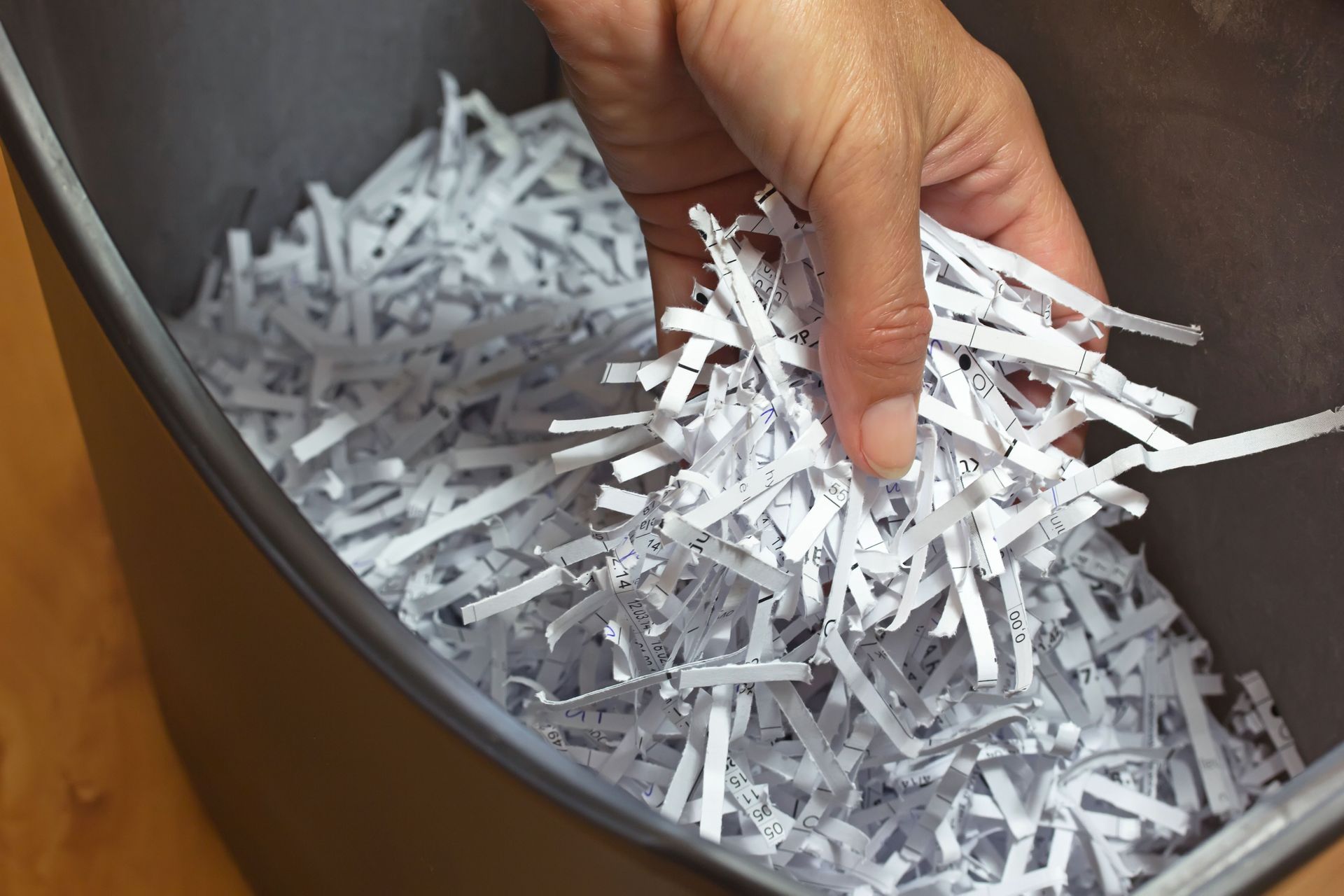
Learn how to organize old tax documents, protect sensitive financial information, and prepare files for secure disposal with a local paper shredding company.
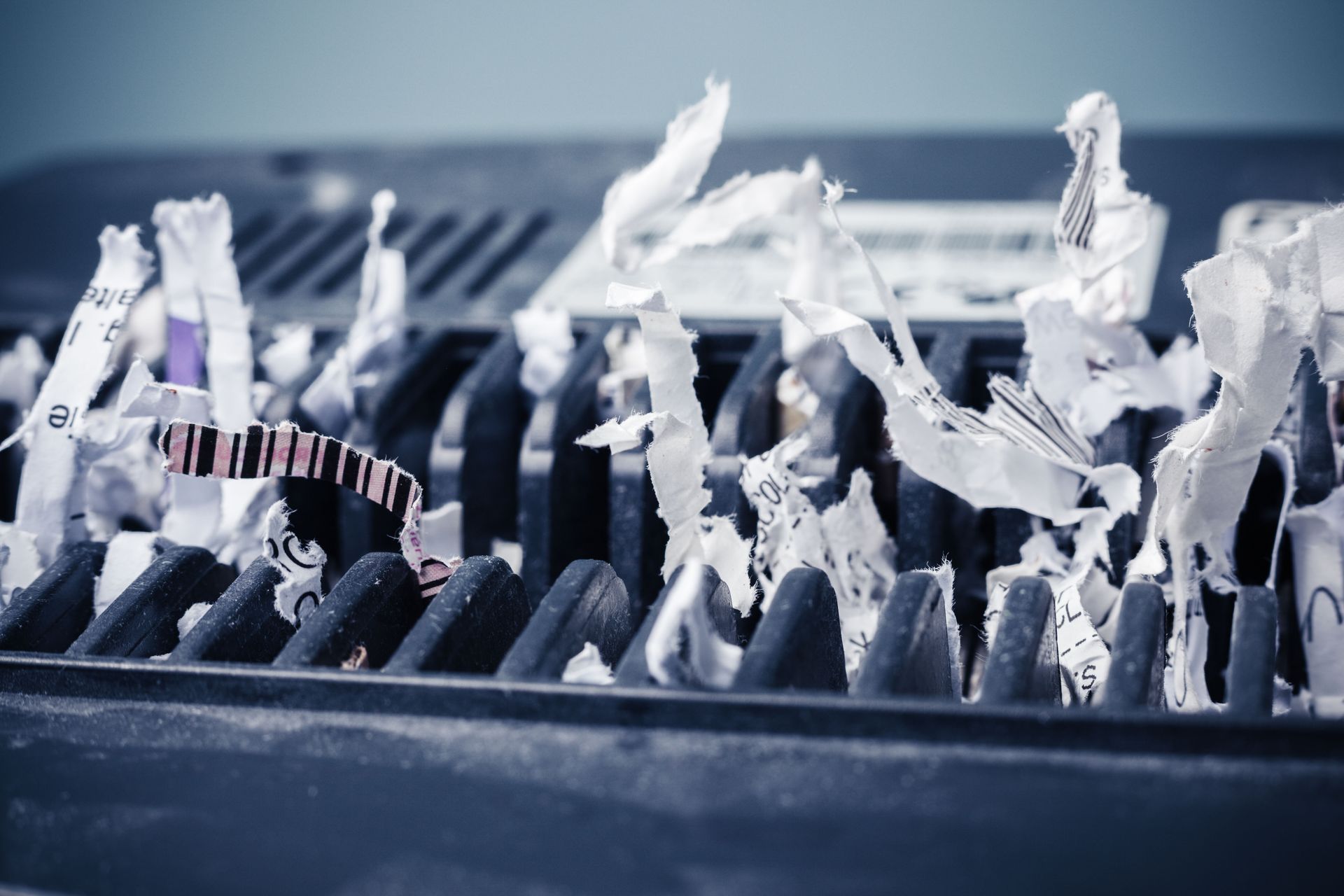
Protect sensitive data with secure document destruction offering certified on-site shredding, scheduled bin pickup, and hard drive disposal.